The Busy Professional’s Guide to Mobility Training in NYC
For the high-performing New Yorker, time is the most valuable asset. You manage teams, close deals, and navigate a high-stress environment that demands peak cognitive and physical performance. However, most professionals ignore a critical component of their physical foundation: mobility.
We often conflate being "fit" with how much we can bench press or how fast we can run through Central Park. But if you cannot move your joints through their full, intended range of motion without pain or compensation, your "fitness" is built on a shaky foundation. In NYC, where "hustle culture" often leads to 10-hour desk grinds followed by high-intensity gym sessions, the lack of mobility is the leading cause of preventable injury.
This guide breaks down why mobility training is non-negotiable for the modern executive and how to integrate it into a demanding schedule.
Mobility vs. Flexibility: Understanding the Difference
Many professionals use these terms interchangeably, but they represent different physiological capabilities. Understanding this distinction is the first step toward better movement mechanics.
- Flexibility: The passive ability of a muscle to lengthen. Think of a static hamstring stretch where you reach for your toes. It is passive and requires no tension.
- Mobility: The active ability to move a joint through its full range of motion. It requires a combination of flexibility, strength, and neurological control.
At Creative Fitness NYC, we focus on mobility because it directly translates into daily movement and strength training workouts. You don't just need your muscles to be long; your brain also needs to know how to control them at their end ranges. This is the key to injury prevention and long-term joint health.

The NYC Professional's Mobility Deficit
Living and working in Manhattan creates specific physical stressors. The "NYC Mobility Deficit" is typically characterized by:
- Kyphotic Posture: The "desk hunch" caused by hours at a laptop, leading to rounded shoulders and a forward head position.
- Tight Hip Flexors: Constant sitting shortens the psoas and iliacus, tilting the pelvis and leading to lower back pain.
- Ankle Stiffening: Surprisingly common due to dress shoes or the repetitive, high-impact nature of walking on concrete.
Ignoring these issues doesn't just make you feel "stiff": it limits your power output. If your hips are locked, you cannot effectively engage your glutes during a squat or deadlift. You are leaving gains on the table and inviting a disc herniation or labral tear.
Core Principles of Functional Mobility
To see results, you must move beyond generic stretching. We utilize evidence-based protocols designed for advanced strength training.
1. Controlled Articular Rotations (CARs)
CARs involve moving a specific joint through its full range of motion while maintaining tension in the rest of the body. This "greases the groove" of the joint and enables greater to
2. End-Range Strength
Mobility is useless if you aren't strong there. We use isometric holds at the end of a stretch to "lock in" new range. This is a core part of our approach to fitness training.
3. Joint Segmentation
Most people move their spine as one solid block. Functional mobility teaches you to move one vertebra at a time. This level of control is what separates elite movers from the average gym-goer.

The "Executive" 10-Minute Daily Mobility Routine
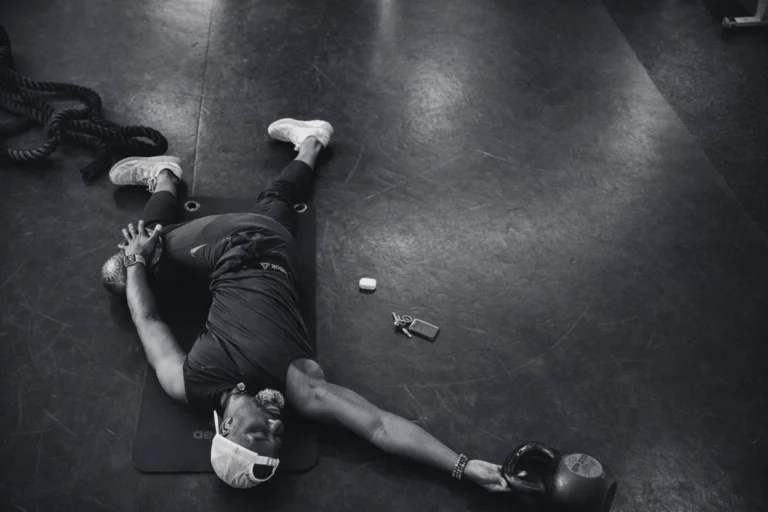
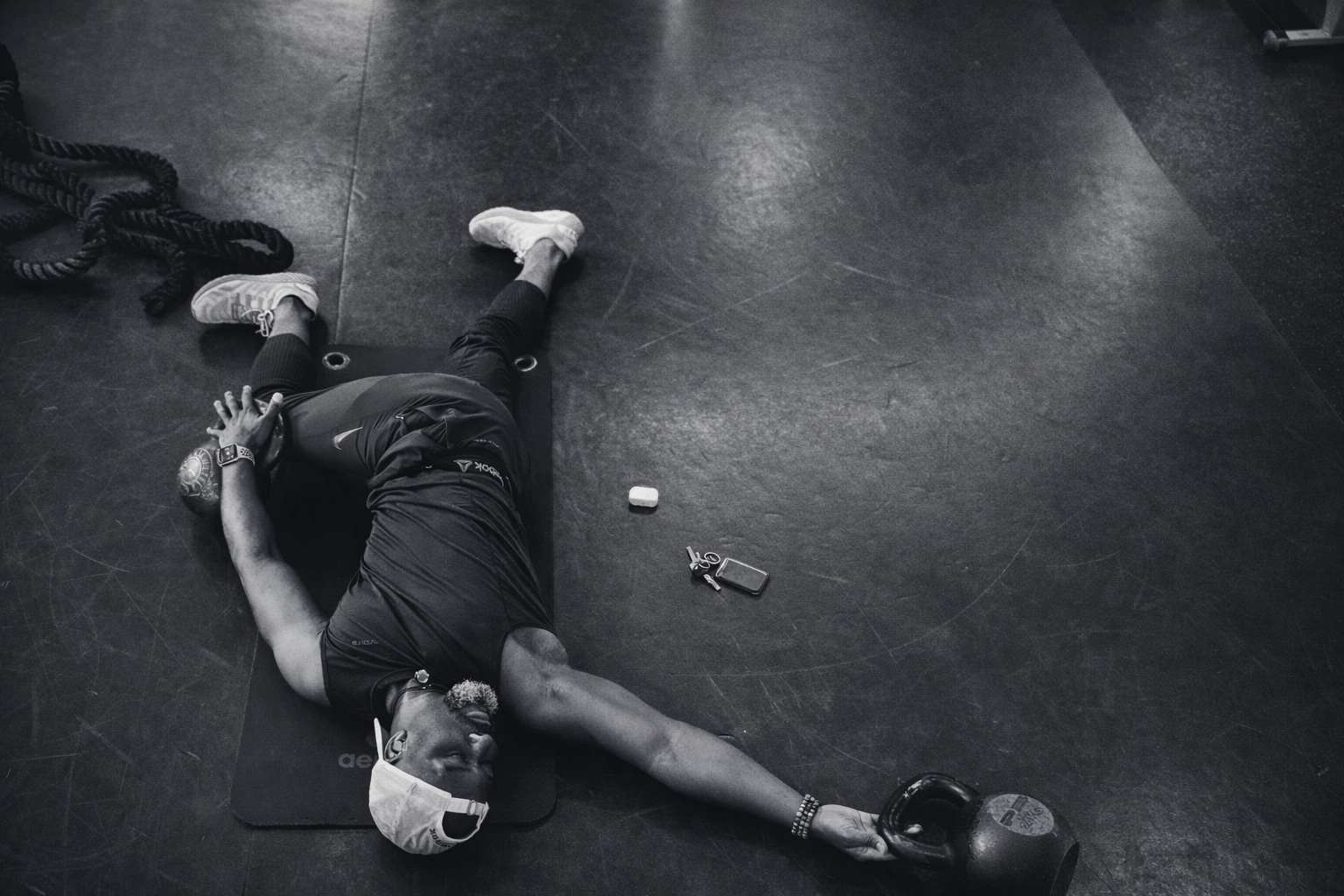
You don't need an hour. You need consistency. Perform this routine every morning or before your gym workouts to prime your nervous system.
| Exercise | Duration | Target Area | Benefit |
|---|---|---|---|
| Neck & Shoulder CARs | 2 Mins | Cervical Spine / Shoulders | Reverses "Tech Neck" |
| 90/90 Hip Switches | 3 Mins | Hip Internal/External Rotation | Opens hips for better squats |
| Cat-Cow (Segmental) | 2 Mins | Entire Spine | Improves spinal decompression |
| Spiderman Lunge w/ Reach | 3 Mins | Hip Flexors / Thoracic Spine | Total body functional priming |
Why "DIY" Mobility Often Fails
Most professionals try to fix their mobility by watching a random YouTube video. The problem? Mobility is highly individual; the monkey-see-monkey-do strategy may worsen your problem.
This is where a Creative Fitness NYC Performance Enhancement Specialist with a clinical focus becomes essential.

Our process starts with a comprehensive movement screening. We assess misalignment from head to toe. If anything is lacking, we don't just give you a "workout routine": we build a corrective exercise strategy that integrates into your personal training sessions.
Integrating Mobility Into a High-Performance Lifestyle
For our clients in NYC or around the world, we recommend a tiered approach to wellness and performance:
- The Daily Minimum: 10 minutes of CARs upon waking.
- The Pre-Session Prime: 5-10 minutes of specific mobility work targeting your "weak links" before lifting.
- The Focused Session: One 30-60 minute dedicated mobility or resistance training session per week to push the boundaries of your range.
Performance Benefits for the Busy Executive
- Reduced Pain: Eliminate the nagging lower back and neck pain that distracts you during meetings.
- Increased Power: A greater range of motion enables greater recruitment of muscle fibers.
- Better Recovery: Mobility work down-regulates the nervous system, helping you transition from "work mode" to "recovery mode."

Comparison: Static Stretching vs. Functional Mobility Training
| Feature | Static Stretching | Functional Mobility Training |
|---|---|---|
| Goal | Temporary muscle lengthening | Permanent joint range & control |
| Activity Level | Passive | Active / High Tension |
| Injury Prevention | Low (can sometimes increase risk) | High (strengthens connective tissue) |
| Nervous System | Relaxing | Educational / Integrative |
| Carryover to Lifting | Minimal | Significant |
Frequently Asked Questions
Is mobility training the same as Yoga?
No. While Yoga includes mobility elements, it often focuses on passive flexibility and holds. Mobility training is more focused on joint-specific mechanics, active tension, and end-range strength required for muscle building and athletic performance.
I'm naturally "stiff." Can I actually improve my mobility?
Yes. While genetics play a role in bone structure, most stiffness is a result of the nervous system "braking" your movement to protect you. By showing your brain that you are strong and stable in new ranges, those "brakes" are released.
How soon will I see results?
You will feel "looser" immediately after a session due to increased blood flow and neural input. However, structural changes to connective tissue and permanent improvements in range of motion typically take 4–8 weeks of consistent practice.
Do I need special equipment?
Not necessarily, but tools like lacrosse balls, foam rollers, and resistance bands can help. The most important "equipment" is a coach who understands NYC Fitness. Don't standards and biomechanics.
Take Control of Your Movement
If you are a professional in NYC, you wouldn't accept a 10% return on your investments if 40% were available. Why accept a limited range of motion when your body is capable of so much more?
Stop treating mobility as an afterthought. It is the framework upon which all your strength, speed, and longevity are built. Whether you are looking for beginner workouts or advanced programming, the focus must remain on how well you move.
Ready to stop guessing and start moving with precision?
At Creative Fitness NYC, we specialize in high-level personal training that respects your schedule and prioritizes your long-term health. Don't let desk-induced stiffness cap your potential. Reach out to Nickolas Thomas and the team to build a program that works as hard as you do.
Stay mo ile. Stay st ong. Stay ahead.