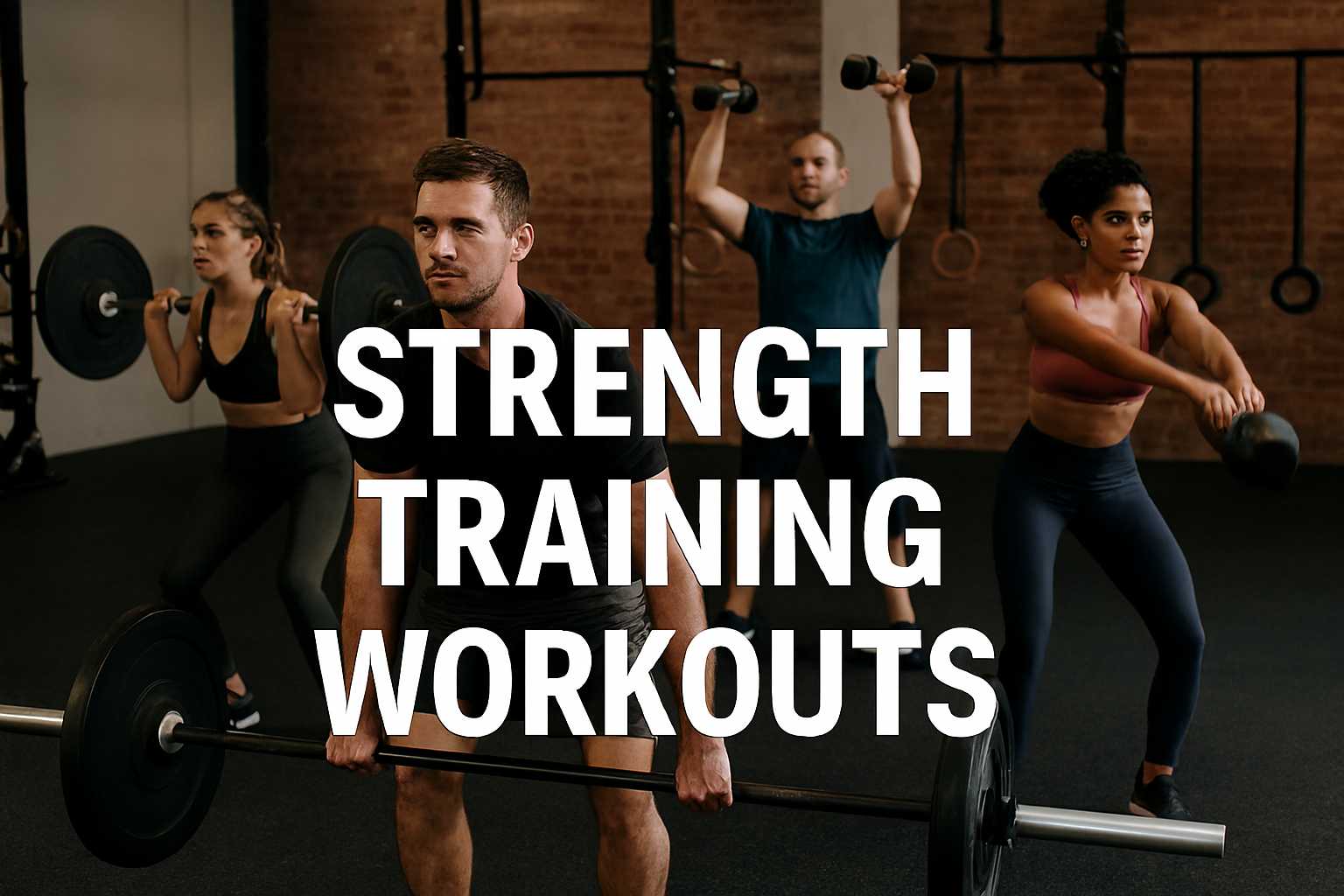
Strength Training Workouts 2026: The Ultimate Guide to Building Strength, Muscle, and Confidence
Strength training is the backbone of fitness. In New York City, where life moves fast and energy is everything, strength training helps you stay resilient, confident, and ready for whatever the day throws at you. Whether you’re training at a boutique studio in Manhattan, lifting at a Brooklyn gym, or working out at home, strength training offers unmatched benefits for your body and mind.
What Is Strength Training?
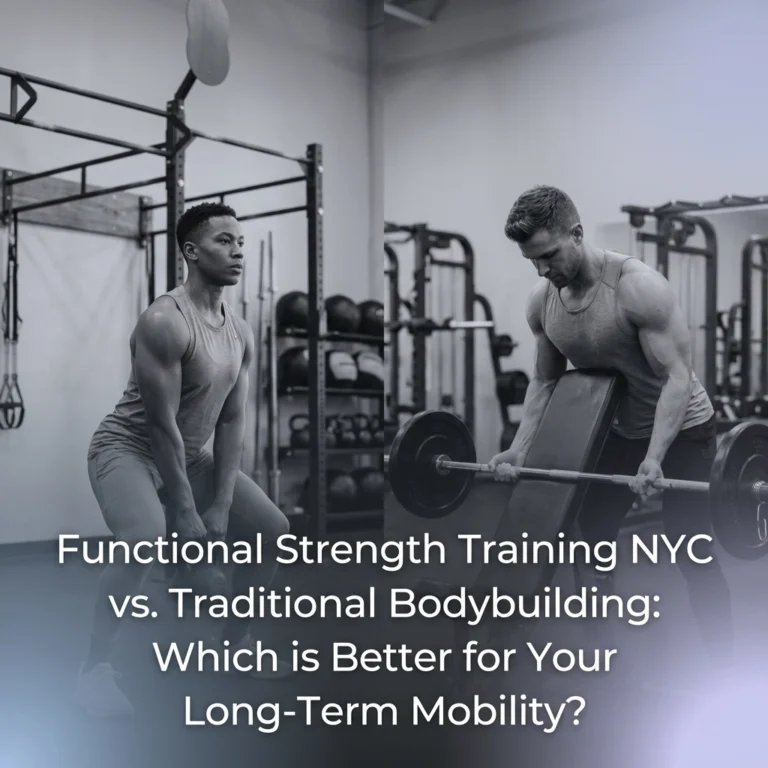
Strength training, also called resistance training, involves exercises that challenge your muscles against external resistance. This can be:
- Free weights (dumbbells, barbells, kettlebells)
- Machines
- Resistance bands
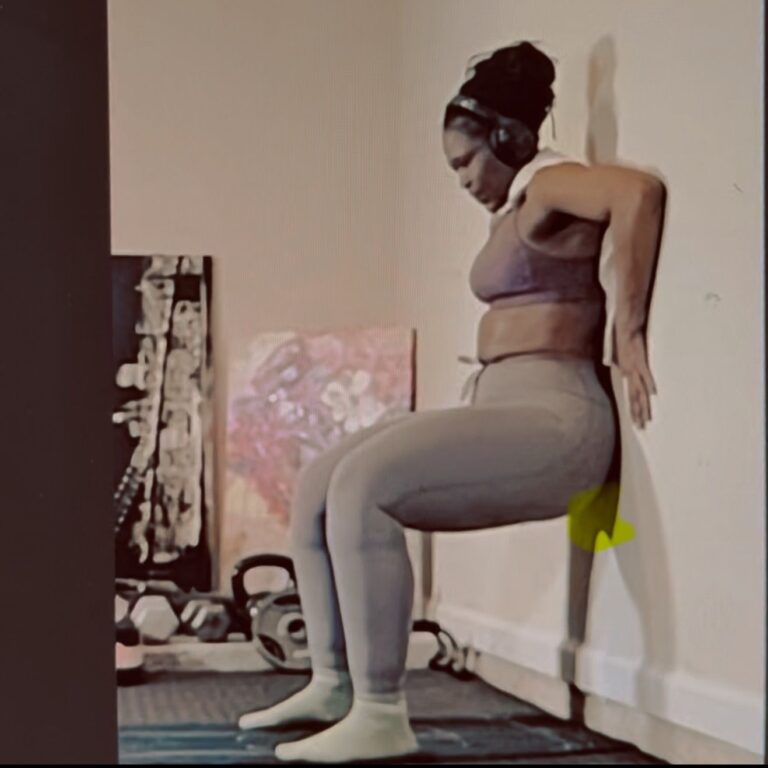
- Bodyweight exercises (push-ups, pull-ups, squats)
The goal is to progressively overload your muscles, making them stronger, more defined, and more efficient.
Benefits of Strength Training
Physical Benefits
- Builds lean muscle mass
- Increases bone density (critical for long-term health)
- Boosts metabolism, helping burn calories even at rest
- Improves posture and reduces back pain
- Prevents injuries by strengthening joints and ligaments
Mental Benefits
- Enhances confidence and self-esteem
- Reduces stress and anxiety through endorphin release
- Builds discipline and resilience
Principles of Strength Training
- Progressive Overload: Gradually increase resistance or intensity.
- Specificity: Train according to your goals (strength, size, endurance).
- Recovery: Muscles grow during rest, not during workouts.
- Variation: Change exercises to avoid plateaus.
- Individualization: Tailor programs to your fitness level.
Types of Strength Training Workouts
- Hypertrophy Training: 6–12 reps, moderate weight, short rest.
- Maximal Strength Training: 1–5 reps, heavy weight, long rest.
- Muscular Endurance: 12–20+ reps, lighter weight, short rest.
- Power Training: Explosive movements like Olympic lifts or box jumps.
Essential Strength Training Exercises
| Exercise | Muscles Worked | Why It’s Essential |
|---|---|---|
|
Squat |
Quads, glutes, hamstrings, core |
Builds lower body strength |
|
Deadlift |
Back, glutes, hamstrings, grip |
Full-body strength |
|
Bench Press |
Chest, shoulders, triceps |
Upper body pushing power |
|
Pull-Up/Row |
Back, biceps, forearms |
Upper body pulling strength |
|
Overhead Press |
Shoulders, triceps, core |
Improves pressing and stability |
Sample Strength Training Workouts
Beginner Full-Body Routine (3x per week)
- Squat: 3×8
- Bench Press: 3×8
- Deadlift: 3×5
- Pull-Ups: 3×8
- Plank: 3×30 seconds
Intermediate Upper/Lower Split
Upper Body: Bench Press, Overhead Press, Rows, Bicep Curls, Tricep Dips
Lower Body: Squats, Deadlifts, Bulgarian Split Squats, Calf Raises, Leg Raises
Advanced Push/Pull/Legs Split
- Push: Bench Press, Overhead Press, Incline Dumbbell Press
- Pull: Deadlift, Pull-Ups, Barbell Rows
- Legs: Squats, Romanian Deadlifts, Leg Press
Nutrition for Strength Training
- Protein: 1.6–2.2 g per kg of bodyweight
- Carbs: Fuel for workouts (rice, oats, fruits)
- Fats: Hormonal balance (avocados, nuts, olive oil)
- Hydration: 2–3 liters of water daily
- Supplements: Whey protein, creatine, omega-3s
Recovery and Injury Prevention
- Sleep: 7–9 hours per night
- Active recovery: yoga, light cardio
- Mobility work: foam rolling, stretching
- Listen to your body: avoid overtraining
Strength Training in NYC
Living in New York City means access to world-class gyms, boutique studios, and outdoor fitness spaces. Whether you’re training at Creative Fitness NYC, hitting weights at a Brooklyn CrossFit box, or doing bodyweight workouts in Central Park, strength training fits seamlessly into the city’s dynamic lifestyle.
Conclusion
Strength training is more than exercise—it’s empowerment. It builds muscle, boosts health, and strengthens your mindset. For New Yorkers, it’s the perfect way to stay strong, confident, and energized in a city that never sleeps.
Start simple, stay consistent, and watch your strength—and confidence—grow.
FAQs
What is the best strength training workout for beginners?
Beginners should focus on full‑body routines using compound exercises like squats, push‑ups, and rows. These build a strong foundation and teach proper form.
How many times per week should I do strength training?
Most people benefit from 2–3 sessions per week if they’re new, and 3–5 sessions per week once they’re more experienced.
Do I need equipment for strength training?
Not necessarily. Bodyweight exercises (push‑ups, planks, lunges) are effective. Equipment like dumbbells or resistance bands adds variety and progression.
Can strength training help with weight loss?
Yes. Strength training boosts metabolism, builds lean muscle, and helps burn calories even at rest, making it a powerful tool for fat loss.
How long does it take to see results?
With consistent training and proper nutrition, noticeable changes often appear within 6–8 weeks. Strength gains may be felt even sooner.
Is strength training safe for women?
Absolutely. Women benefit from strength training just as much as men, including improved bone health, muscle tone, and confidence.
What should I eat before and after strength training?
- Before: A balanced meal with carbs and protein (e.g., oatmeal with fruit and yogurt).
- After: Protein‑rich foods (e.g., chicken, eggs, or a protein shake) to support recovery.
Do I need a personal trainer for strength training?
Not required, but highly recommended for beginners. Trainers ensure proper form, reduce injury risk, and create personalized programs.
How does strength training differ from cardio?
Cardio focuses on endurance and heart health, while strength training builds muscle and power. Both complement each other for overall fitness.
Can older adults do strength training?
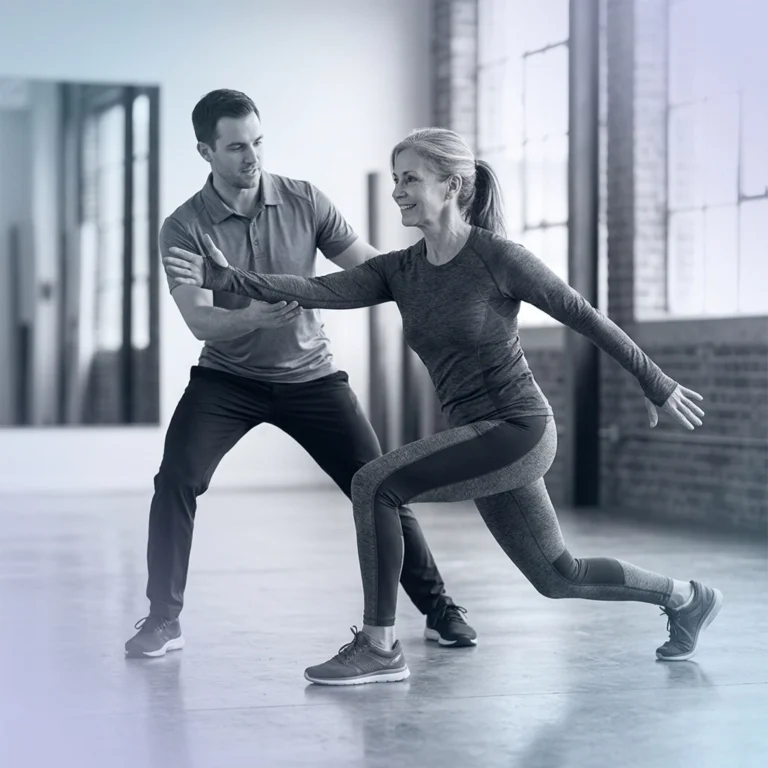
Yes, with modifications. Strength training improves mobility, bone density, and independence in older adults when done safely